

If you’ve ever scrolled through fitness influencers or celebrity pages, chances are you’ve seen waist trainers—those tight, corset-like garments that promise a slimmer waist, flatter tummy, and that coveted hourglass figure. But do waist trainers really work? And more importantly, are they safe? Let’s find out.
What Are Waist Trainers?

Waist trainers are compression garments—usually made of thick fabric and boning—that are worn around the midsection. They’re marketed as tools to shrink the waistline, improve posture, and help with weight loss. Think of them as modern corsets, often worn during workouts or under clothing throughout the day.
What Science Says about Waist Trainers
There’s very little scientific evidence supporting waist trainers as effective or safe long-term solutions for weight loss or body shaping.
The Positive Effects of Waist Trainers

1. An Instant Slimmer Look
Waist trainers can smooth out your silhouette under clothes. They can temporarily compress your waist, making you look slimmer in clothes. However, the effect disappears once the garment comes off.
2. Posture Reminder
When worn occasionally, they may encourage better posture.
3. Motivational Tool
For some, seeing a temporarily cinched waist may provide motivation to adopt healthier habits.
The Not-So-Great Effects of Waist Trainers

1. No Fat-Burning Effect
There is no scientific proof that waist trainers burn fat or cause long-term weight loss. Sweating more in your midsection during workouts doesn’t mean you are burning more fat in that area.
2. No Spot Reduction of your Waist
Waist trainers, like many other fitness gadgets, have not been shown to reduce fat in just one area of your body. Instead, fat loss comes from overall caloric deficit and consistent exercise, but not from targeted compression.
3. May Weaken Core Muscles
Over-relying on a waist trainer for posture or support can actually reduce your core strength over time. Therefore, if your core muscles aren’t engaged because the waist trainer is doing the work, they become weaker—not stronger.
4. May Cause Breathing Issues
Compressing your midsection can restrict breathing, especially during exercise. Research has shown that wearing corsets alters the breathing pattern in normal individuals.
5. May Cause Digestive Problems

Tight waist trainers can press on your stomach and intestines, leading to acid reflux or digestive discomfort.
6. Possible Organ Damage
Wearing a waist trainer too tightly for too long can push your internal organs—like your liver, kidneys, and spleen—out of place. Consequently, that constant pressure may mess with how they function over time, and in some cases, it could cause lasting damage.
7. False Expectations
Waist trainers can create unrealistic expectations about body shape and weight loss. Just look at the celebrity pages, and you will feel that all you need to do is wear waist trainers to achieve that hourglass silhouette. However, many of us have realized that it doesn’t quite work that way.
Why We Like the Idea of Waist Trainers

For many women—especially in midlife—the appeal of waist trainers is real. Our bodies change with age: hormones shift, metabolism slows down, and belly fat seems to appear out of nowhere. We want to feel confident in our clothes, see progress in the mirror, and regain the waistline we once had. So, waist trainers seem like a quick fix—and in some ways, they are. But quick fixes don’t build lasting results.
Healthier Alternatives to Waist Trainers
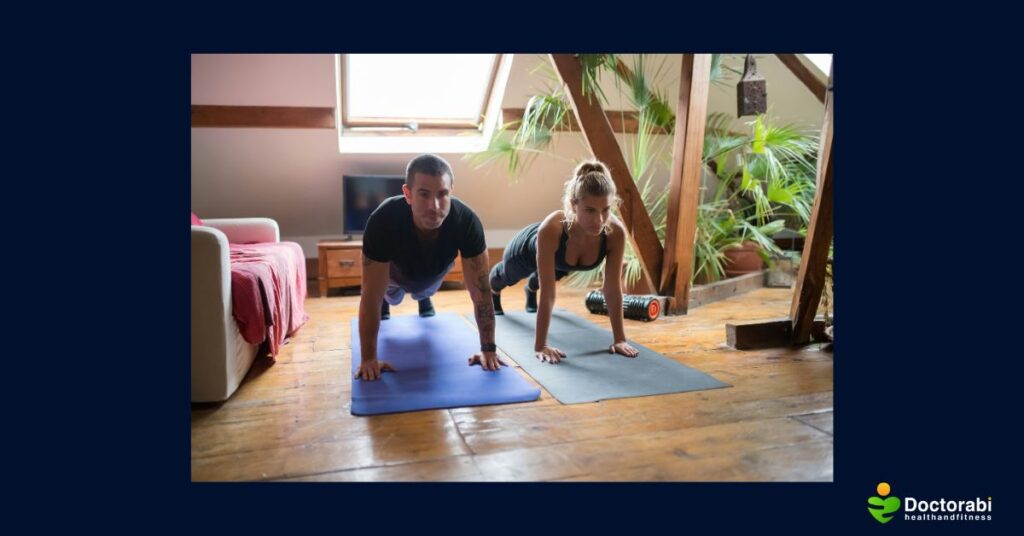
If your goal is to flatten your stomach or enhance your curves in a healthy and lasting way, here are some proven alternatives that actually work:
1. Strengthen Your Core
Focus on exercises that target your entire core—like planks and Pilates. A strong core is crucial to our overall health and quality of life, especially as we age. Even if you wear waist trainers, you should still work out to tighten and tone your midsection and improve your posture and stability.
2. Lift Weights, even if it’s Body Weight Exercises Alone

Resistance training builds muscle, which helps burn fat even at rest. It also shapes your waistline and lifts your glutes naturally, helping you get closer to that hourglass shape. Aim for strength training at least twice a week. If you want to know why strength training is great for us, especially as we age, please check out “12 Reasons Every Woman Over Forty Should Strength Train.”
3. Eat Healthy
Reduce processed foods and added sugar. Focus on lean protein, healthy fats, fiber-rich veggies, and staying hydrated. These support metabolism and reduce bloating.
4. Do Cardio You Enjoy

Do whatever keeps you moving consistently, whether it’s dancing, brisk walking, or some other form of physical activity. Regular cardio helps with overall fat loss, which includes the belly area. For maximum health benefits, you should aim for a minimum of moderate physical activity 150 minutes a week (30 minutes five times a week).
5. Work With Your Body, Not Against It
Hormones like estrogen, cortisol, and insulin affect where fat is stored. Managing stress, getting quality sleep, and avoiding extreme diets can help bring your body back into balance.
What About Cosmetic Procedures for a Smaller Waistline?
From liposuction and tummy tucks to non-surgical options like body sculpting, skin tightening, and fat-freezing treatments, there are many paths people take in pursuit of a flatter stomach. But this isn’t a blog post about procedures. Here, we’re focusing on what you can do naturally to feel strong, healthy, and confident in your own skin.
Final Thoughts

I like the idea of waist trainers. I really do. Let’s be real—wearing a stretchy band around your waist sounds way more appealing than doing endless crunches and planks to flatten your tummy.
So, do I still wear one? Yes—occasionally. Sometimes for a bit of motivation, and sometimes, just to “keep hope alive.” After all, a girl can dream. Right? If I had the same magical results that some women swear by, I’d probably wear mine more. Waist trainers are just that thing I want to believe in.
I’ve asked myself more than once: Do waist trainers really work? I want to believe they do, but deep down, I know real change takes more than compression.
The truth? Regular exercise, healthy eating, and managing stress will always get you closer to your body goals than any waist trainer ever could. And even better—exercise isn’t just about getting toned or shedding pounds. It’s a major energy and confidence booster. That means whether or not you ever achieve that elusive hourglass figure, you’re still showing up healthy, strong, vibrant, and full of life.
And honestly? That’s worth more than any waistline ever could be.
Finally, I’d love to hear from you: Do waist trainers really work? Have they worked for you? Do you swear by them, or are you still on the fence? Let’s keep the conversation going—drop your thoughts below, and feel free to share this post.
Yours in health and fitness,
Doctor Abi